Stay Comfortable with Trusted Alvin Air Conditioning Services
Stay Comfortable with Trusted Alvin Air Conditioning Services
Blog Article
Leading Air Conditioning Services to Keep Your Home Pleasant and Cool Throughout the Year
Keeping a pleasant living space depends largely on efficient air conditioning services. Routine maintenance is key for the system’s efficiency and durability. Spotting signs of possible problems can avoid expensive repairs. Furthermore, upgrading to energy-efficient units provides lasting savings. Different seasonal tune-ups help enhance performance. Knowing these factors is crucial for homeowners. Yet, many people might ignore important warning signs. What are the main signs that suggest your system needs service?
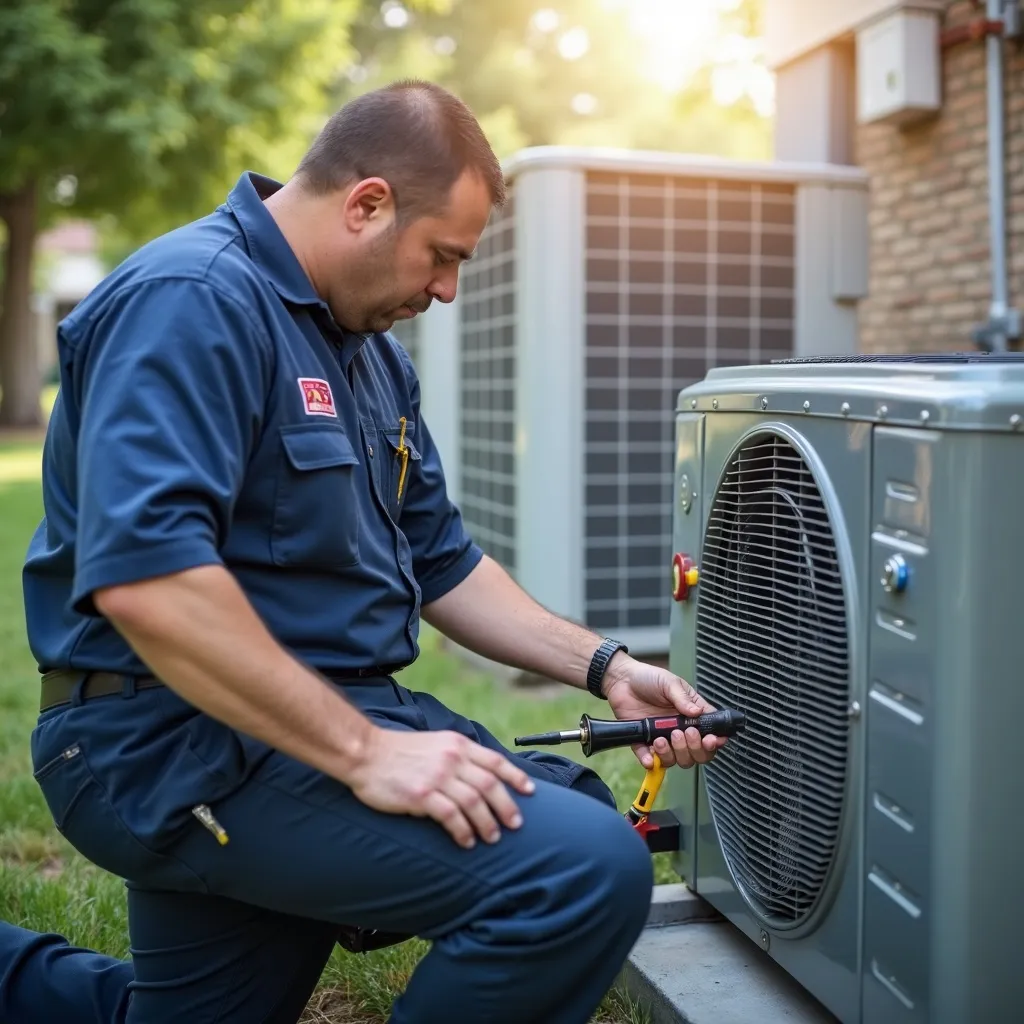
The Key Benefits of Regular Air Conditioning Maintenance
Regular air conditioning care is essential for superior operation and extended service life of the system. A thoroughly serviced air conditioning unit operates more efficiently, reducing energy consumption and minimizing utility bills. Routine evaluations can avert minor issues from escalating into major problems, ensuring the system runs smoothly throughout the warmer months.
In addition, regular upkeep improves air quality indoors by removing dust, allergens, and debris that accumulate in the setup. This is notably important for households with respiratory issues. Routine inspections often include tasks like filter cleaning, refrigerant checks, and electrical component inspection, which promote system performance and durability.
Investing in routine maintenance not only prolongs the life of the air conditioning unit but also promotes a pleasant home atmosphere. Homeowners who emphasize consistent maintenance can experience confidence, knowing their system is prepared to handle the requirements of temperature fluctuations.
How to Recognize When Your AC Should Be Repaired?
Recognizing when an cooling system needs repair is important for maintaining comfort and energy efficiency. Clues like odd sounds, irregular cooling performance, and rising energy bills frequently indicate underlying issues. Spotting these red flags can enable residents take timely action before more major issues occur.
Strange Acoustic Issues From Unit
When an air conditioning unit starts making unusual noises, it often indicates possible problems that may require immediate attention. Common sounds include rattling, which may indicate detached parts, or whistling, indicating a coolant escape. A scraping sound could point to engine issues, while a humming noise may denote wiring problems. These sounds not only disturb your peace but can also lead to more extensive damage if ignored. Homeowners should pay attention to these warnings and consider consulting a skilled expert to identify and resolve the root causes. Timely repairs can prevent further complications and ensure the unit operates efficiently, preserving a pleasant home space year-round. Ignoring these sounds may lead to costly repairs down the line.
Inconsistent Temperature Output
Strange sounds coming from an air conditioning unit can often signal other signs of dysfunction, such as inconsistent temperature output. Homeowners might observe that certain rooms feel warmer or colder than others, indicating the system is unevenly distributing air. Furthermore, it might take longer for the unit to reach the desired temperature, causing uneasiness. If thermostat settings do not match with the actual room temperature, this inconsistency can reveal an hidden problem. Checking for blocked vents or dirty filters is necessary, since these factors contribute to temperature inconsistencies. Regular maintenance and prompt attention to these signs can help ensure the air conditioning system operates effectively, providing a comfortable living environment year-round.
Elevated Utility Expenses
Often, homeowners may observe a sudden spike in their energy bills, which can indicate that their air conditioning unit needs attention. Increased energy consumption is often caused by various hidden problems, such as dirty filters, coolant leaks, or faulty parts. These problems force the system to work harder to keep desired temperatures, leading to increased running expenses. Homeowners should monitor their electricity costs consistently and check them to previous time periods or years for discrepancies. Additionally, odd noises or reduced cooling efficiency can further indicate that fixes are required. Resolving these issues quickly can not only restore efficiency but also prevent more significant problems and expenses down the line, ensuring a comfortable home atmosphere year-round.
Learning About Immediate AC Support
Emergency AC assistance are essential for homeowners dealing with sudden air conditioning breakdowns, especially during the sweltering summer months. Such assistance provide immediate support, guaranteeing that a faulty unit does not affect indoor comfort and health. Common issues requiring emergency care consist of refrigerant leaks, compressor failures, and electrical problems, all of which can lead to inadequate cooling or complete system shutdown.
Homeowners should understand the significance of having access to dependable emergency services. Rapid response rates can minimize discomfort and prevent further damage to the system. Additionally, many service providers provide 24/7 availability, addressing urgent needs regardless of the time of day.
Understanding the signals that warrant immediate air conditioning help can empower residents to act promptly, confirming their climate control units function effectively and productively. By prioritizing these resources, residents can maintain a cool, comfortable residential space throughout the hottest months of the year.
The Case For Choosing Low-Energy AC Systems
Upgrading to energy-efficient AC units offers substantial benefits, including reduced energy bills. These contemporary units not only consume less power but also enhance indoor air quality through better air filtering and moisture regulation. As homeowners look for affordable and more healthy homes, energy-efficient models present a compelling solution.
Lower Utility Charges
Allocating funds to energy-efficient air conditioning units can greatly reduce monthly energy expenses. These new systems utilize modern technology to refine energy consumption, resulting in less operational costs. Traditional units often expend unnecessary energy, leading to inflated bills during refer to resource peak usage times. On the other hand, energy-efficient models are designed to operate using less electricity while sustaining superior cooling performance. The initial investment in these units can be made up for by notable savings over time, making them a financially sound choice for homeowners. Additionally, many energy-efficient air conditioners are eligible for financial rebates and perks, further enhancing their cost-effectiveness. By upgrading to these units, homeowners not only aid environmental conservation but also enjoy a more cost-efficient method of cooling their living spaces.
Superior air quality indoors
Energy-efficient climate control systems both lower energy bills but also markedly improve indoor air quality. These units are designed with state-of-the-art filters that effectively filter out dust, allergens, and pollutants, leading to cleaner air circulation within the home. By reducing humidity levels, energy-efficient models help prevent mold growth and the proliferation of bacteria, contributing to a healthier living environment. Additionally, many of these units operate more quietly than traditional models, lessening noise pollution and promoting a more serene atmosphere. Upgrading to energy-efficient air conditioning systems not only supports environmental sustainability but also prioritizes the well-being of the household, making it a smart choice for homeowners seeking both comfort and health benefits.
Routine Seasonal Adjustments for Superior Air Conditioning Operation
With warmer months arriving, guaranteeing your AC unit stays in excellent condition is essential for maintaining comfortable temperatures indoors. Routine maintenance serve a vital purpose for optimizing AC performance, improving energy efficiency, and extending the unit's longevity. These comprehensive maintenance sessions typically feature cleaning or replacing air screens, inspecting refrigerant levels, and detecting possible leaks. Service technicians also evaluate electrical components, ensure adequate airflow, and examine the condenser and evaporator coils.
Swift Remedies for Everyday AC Malfunctions
Regular tune-ups can help avoid many issues, but even well-maintained air conditioning systems can experience problems. Homeowners may encounter typical problems such as inadequate cooling, unusual sounds, or constant cycling. A simple solution for inadequate cooling often requires checking the thermostat settings and ensuring they are adjusted properly. Furthermore, cleaning and inspecting the air filters can improve airflow and performance.
For peculiar noises, property owners should first check the unit for loose parts and debris. Tightening screws and removing obstructions can minimize many acoustic issues. If the AC continually switches on and off, assessing the compressor and verifying refrigerant levels can present solutions.
Finally, making sure that the outdoor unit is free of debris can enhance overall performance. While these quick fixes can address immediate concerns, consulting a professional for persistent problems is recommended to avoid further damage.
How to Extend the Lifespan of Your AC System
A well-maintained air conditioning system can last considerably longer, delivering comfort for homeowners year after year. Consistent upkeep is required; this includes swapping filters every one to three months to improve efficient airflow. Specialist evaluations should happen at least once a year to detect potential issues early.
Keeping the outdoor unit free from debris, such as leaves and dirt, helps maintain peak performance. Homeowners should also verify that vents and registers are unobstructed to allow proper air circulation throughout the home.
Furthermore, configuring the thermostat to a balanced temperature can minimize strain on the system. Installing a automated thermostat allows for superior energy management.
Finally, establishing a surge suppressor can protect the unit from electrical issues. By following these practices, homeowners can greatly extend the service life of their air conditioning systems while savoring a comfortable living environment.
Frequently Requested Questions
What is the standard cost for Air Conditioning Maintenance Service?
Air conditioning servicing typically costs between $75 and $200 per visit, based on factors like unit model and contractor. Regular maintenance can extend the system's life expectancy and improve efficiency, ultimately saving on energy costs.
How Can You Detect the Signals of a Coolant Leak?
Symptoms of a refrigerant leak display hissing sounds, weakened cooling ability, ice accumulation on coils, and mounting energy bills. These indicators suggest a demand for qualified review to forestall escalating damage to the air conditioning system.
Is it Possible to Install an AC Unit Without Professional Help?
He determined that self-installing an AC unit was possible, but required specialized expertise and equipment. Reviewing professional standards and accounting for local codes were essential to guarantee safety and compliance with installation standards.
When Should I Change My AC Filter Regularly?
Air filters ought to be replaced every one to three months, determined by consumption and the type of filter. Consistent replacement boosts air cleanliness and system efficiency, over time lengthening the longevity of the air conditioning unit.
What is the Normal Duration of an Air Conditioning Unit's Operational Period?
The standard operational lifespan of an air conditioning unit commonly falls between 15 to 20 years, based on maintenance, usage, and model quality. Consistent maintenance is able to boost its longevity, maintaining top-tier efficiency throughout its operational life.
Report this page